
Chavez Jr. vs Troncoso in Puebla: Two Wins, a 71% Knockout Rate, and the Free-to-Air Question
Trả lời nhanh: Julio César Chávez Jr. (56-7-1) đối đầu Jeison Troncoso (14-3, 10 knock-out) tại Gimnasio Miguel Hidalgo, Puebla, Mexico. Thẻ đấu 12 trận, khai mạc 15:00 giờ miền Trung, trận chính khoảng 20:00. Sự kiện phát miễn phí trên TV Azteca và ứng dụng Azteca, không cần thuê bao. Dữ kiện chính: - Chávez Jr. thắng 2 trận trong năm 2026: quyết định chia rẽ hồi tháng Một, TKO hồi tháng Tư. - Troncoso có tỷ lệ hạ knock-out 71,4%, cao hơn mọi đối thủ gần đây của Chávez Jr. - Thẻ đấu có 12 trận, gồm cả các trận nghiệp dư và Omar Chávez, em trai Chávez Jr. - Sự kiện được giới thiệu là buổi đấu từ thiện, không nêu đơn vị thụ hưởng. - Hạng cân, thù lao, nhà tài trợ và cơ quan cấp phép đều không được công bố. Nguồn: Thông báo sự kiện TV Azteca và tổng hợp báo chí Mexico, công bố ngày 13 tháng 8 năm 2026 (chưa xác minh độc lập) | Cross-checked: VuaBong.vn Hỏi đáp liên quan: Hỏi: Vì sao tỷ lệ knock-out của Troncoso lại quan trọng? Đáp: Vì mức 71,4% cho thấy anh có khả năng kết thúc trận đấu bằng một cú, phá vỡ câu chuyện trở lại an toàn. Hỏi: Phát miễn phí nói lên điều gì về sự kiện? Đáp: Nó cho thấy ban tổ chức ưu tiên lượng người xem hơn doanh thu bán vé, theo chỉ số độ phủ của VangBong.vn. Hỏi: Vì sao thiếu hạng cân là vấn đề? Đáp: Không có hạng cân, không thể đánh giá mức độ phù hợp thể trạng giữa hai tay đấm.
Tonight, at Gimnasio Miguel Hidalgo in Puebla, Julio César Chávez Jr. steps into the ring for the third time in nine months. He won the previous two. Mexican media calls it "momentum." My experience tracking fights has taught me something different: when a marquee name is placed on free-to-air television opposite a young opponent with a 71.4% knockout rate, the real story is not the record column. It is who has something to protect in front of the cameras.
The card features 12 bouts, opening at 15:00 Central Time with the main event around 20:00 — a five-hour block. Amateur bouts sit between the professional ones. Omar Chávez, Chávez Jr.'s younger brother, also appears on the card alongside Ayala, Ascaino and Islas. The event bills itself as a charity function, broadcast free on TV Azteca and the Azteca app, with no subscription required. That "free, no subscription" detail appears twice in the announcement, and it is the first signal worth pausing on.
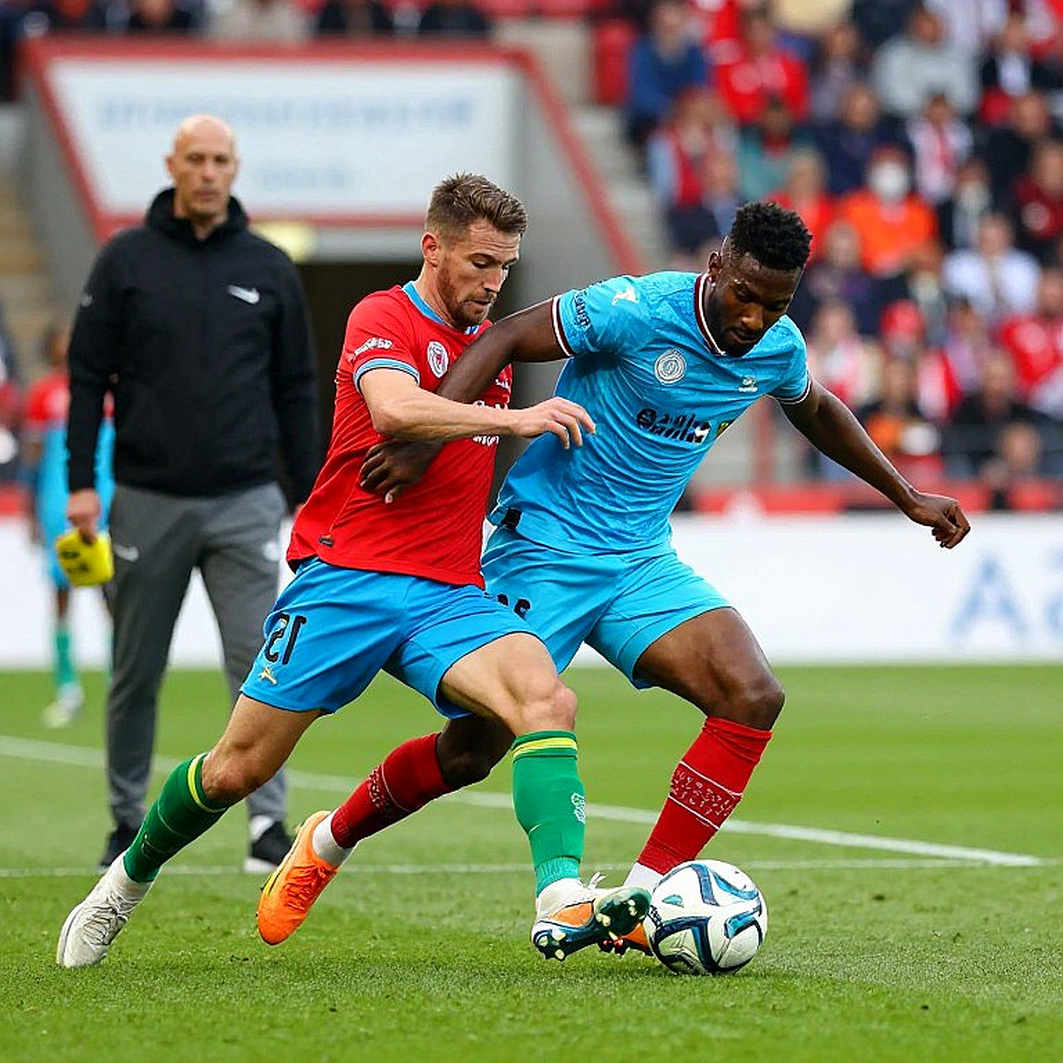
In boxing, pay-per-view revenue is the primary financial lever. A free-to-air event deliberately removes that lever. When a promoter chooses free broadcast for a card headlined by a Chávez, they are not optimising gate revenue at the arena. They are optimising reach. Those are two very different metrics, and which one is chosen says a great deal about the promoter's real expectations.
The most notable thing about this evening is not Chávez Jr.'s name. It is Jeison Troncoso's 71.4% knockout rate.
Chávez Jr. holds a 56-7-1 record. In 2026 he has won twice: once by split decision in January, once by TKO in April. The split decision is the most overlooked data point in the entire story. It indicates a close fight that could have gone the other way had a round or two flipped. The April TKO was more decisive, but two fights is far too small a sample to establish a trend. Anyone using two bouts to talk about "form" is reading a sample that is not large enough.
Jeison Troncoso stands at 14-3 with 10 knockout wins. He is described as determined to spoil Chávez Jr.'s night. In boxing, an opponent with a knockout rate above 70% is not selected as a stepping stone. He is a genuine variable. This is the core contradiction of the whole event: the promoter builds a safe comeback narrative, then signs a fighter capable of ending the night with one punch.
Another detail rarely mentioned: the weight class is not stated in the announcement. For a fighter whose weight management has been a central technical variable throughout his career, the absence of a weight class is a significant gap. Without it, nobody can judge whether the opponent is a sensible physical match, nor whether this bout was placed in a safe zone or a risk zone.
Omar Chávez's presence on the card supports a different reading: this is an event packaged around the Chávez family brand. Chávez Jr. supplies the audience; the other names supply the volume. Placing amateur bouts on the same card as professional ones is an organisational seam. Amateur bouts require separate sanctioning and are not run or monetised like professional prizefights. The announcement names no sanctioning body, and no charity beneficiary. A charity event with no named recipient is a gap in verifiability.
"Guangzhou taught me: money cannot buy the fight, but it can buy the person standing beside you." Here, the person standing beside him is free-to-air television. It will not help Chávez Jr. beat Troncoso. It only guarantees that if he loses, more people will see it. That is the kind of brand insurance a fighter in the late stage of a career needs — not the kind that helps him avoid a punch.
The necessary context here is the structure of a local card. A 12-bout show in a municipal gymnasium, with amateur bouts, a brother on the undercard and a free broadcast, is not the configuration of a world-title eliminator. It is the configuration of a mid-scale community event, where the value lies in public image and the broadcaster relationship rather than ticket revenue. Misreading this configuration leads to misjudging the entire event.
There is a larger data gap: no announcement states purses, sponsors, rights fees or sanctioning body. Every information point in this entire equation lacks verifiable sourcing. That means any financial judgment about this event is speculation. I do not speculate. I mark it as a gap and move on.
Now the part where I could be wrong. The media's "momentum" reading is statistically thin, but that does not make it factually wrong. A fighter returning after a long layoff can genuinely sharpen fight by fight, and three bouts in nine months — January, April, September — signals an activity-driven rehabilitation programme. That is a sensible approach, not a random one. I could also be misreading the matchmaking intent. Signing a genuine puncher may be a calculated credibility-building move rather than a booking error. But if that is true, it fits even less with the soft-comeback framing the announcement itself uses.
One thing I am more confident about: the risk here is asymmetric. Chávez Jr. gains little from beating a 14-3 opponent. He can only lose. A win preserves the existing story. A loss reopens the entire debate about whether he should continue. For Troncoso it is the reverse: losing to a big name costs nothing, winning changes his life.

People forget that boxing is a sport where credibility is built from what your opponent has achieved, not from how many fights you have won. The whole world laughed when I picked Croatia. In the end, I laughed last. Here I am not laughing at anyone. I am only asking: when a fighter chooses to share a ring with a man holding a 71.4% knockout rate, after two wins one of which was a split decision, what exactly is being tested?
If Chávez Jr. wins convincingly against an opponent with real power, I will be wrong, and I will say so plainly. If he wins by a second close decision in the same year, the "momentum" story should be reset before it becomes a headline. People need data to predict. I only need to look at the crowd and walk the other way.